
Responsible guard dog training
Guard Dog Training
Training governed by strict standards of responsibility, control and genuine need.
Guard Dog Training
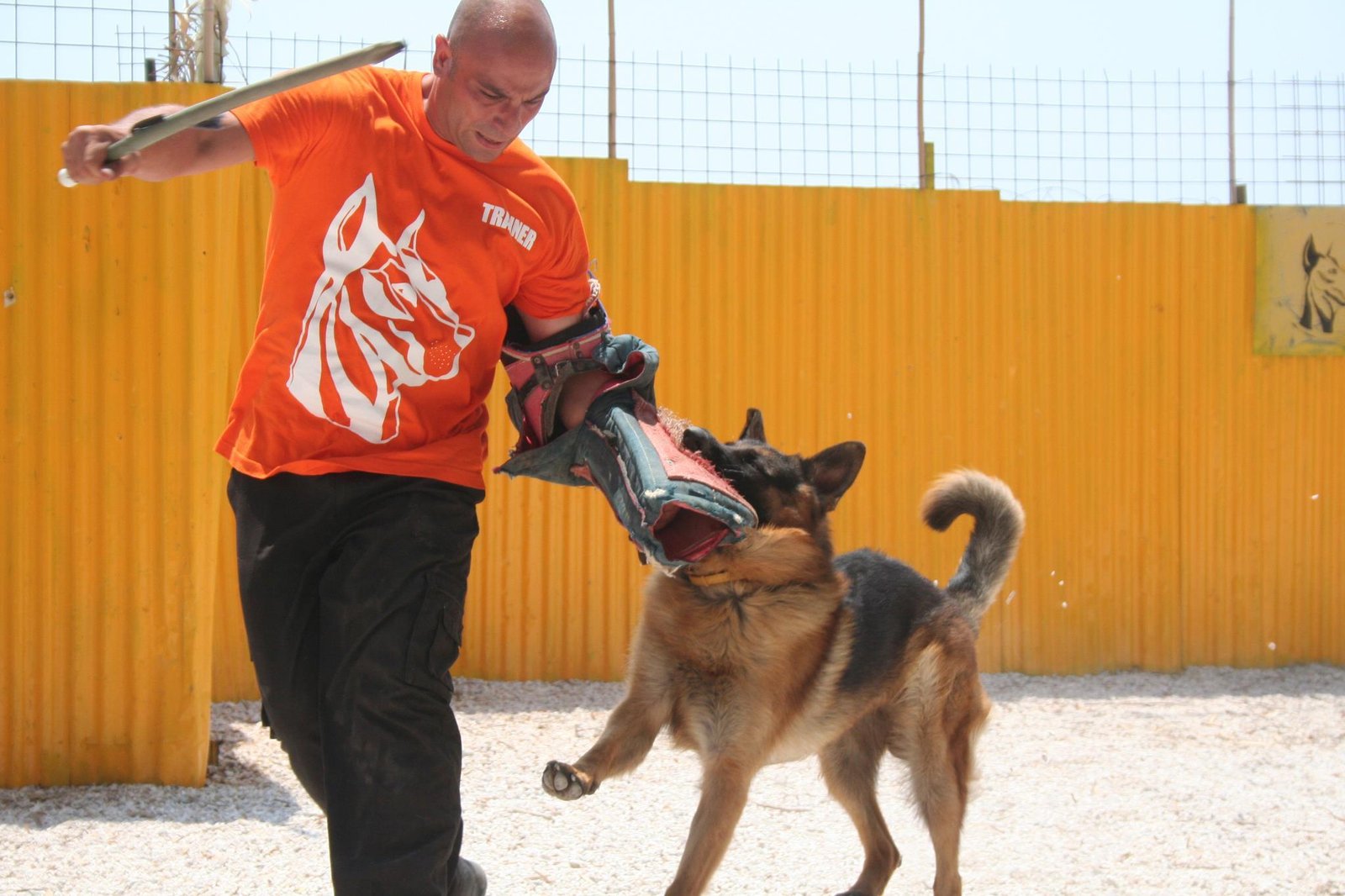
The purpose of the Guard Dog Training programme is to teach the dog to deter criminal acts against you and your private property. During the programme, the dog develops skills such as:
– Recognising what constitutes a genuine threat and what does not.
– Warning of danger as soon as something suspicious is detected (alarm barking).
– Locating and restraining an assailant.
– Engaging, but also stopping immediately when instructed or when the assailant surrenders.
– Acting independently if you are absent or unable to provide direction.
– Protecting itself during a confrontation.
During the programme, you will also learn techniques that enable you to work with your dog — to operate as a team when responding to an attack. We will examine the programme’s particular characteristics in detail and how they fit within the broader framework of “Know Your Dog… Change Your Life”.
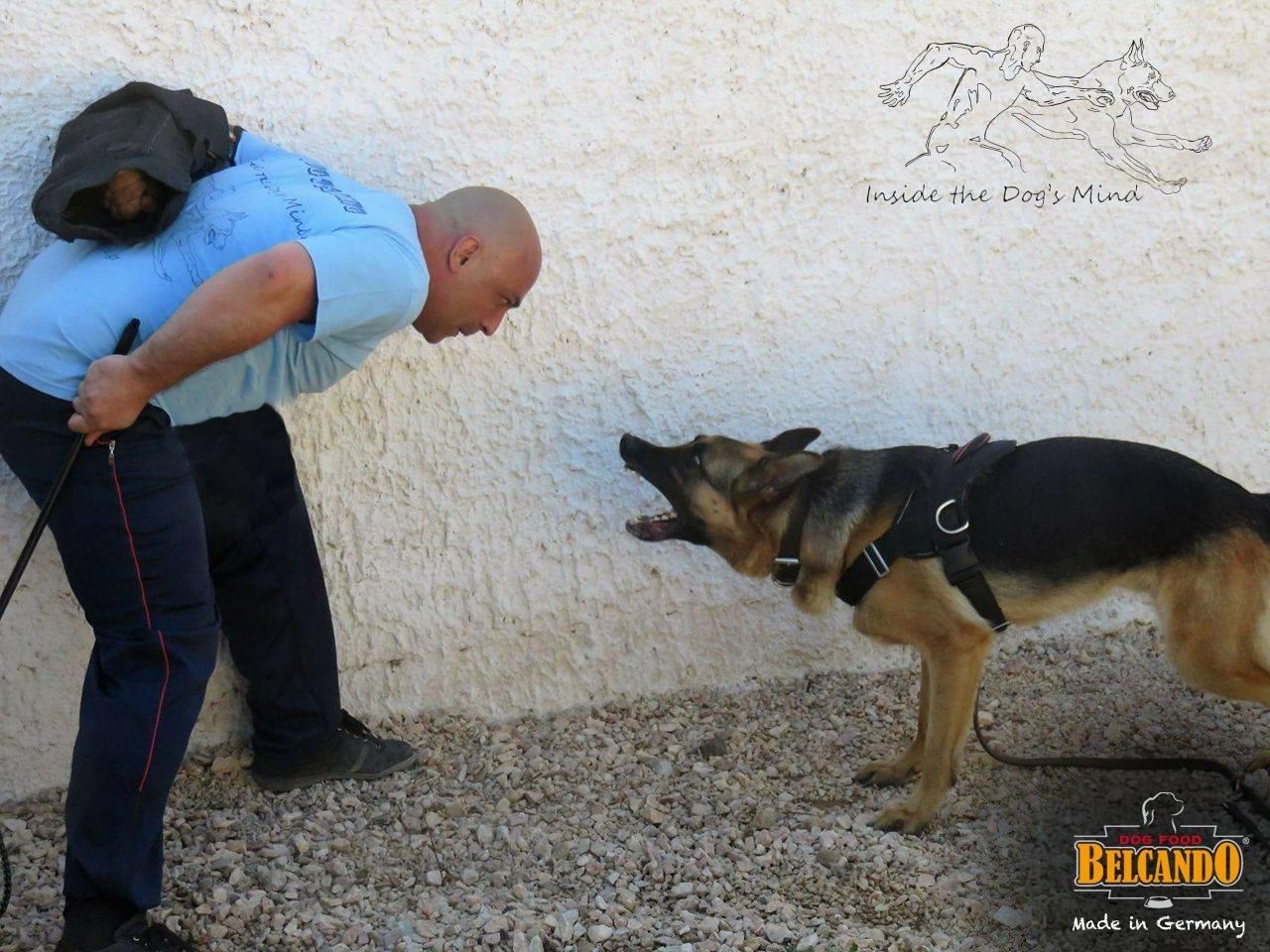
Before seeking a trainer for guard or personal-protection work, there are several facts you must consider seriously.
Do you genuinely need your dog’s protection?
At times I meet people whose homes — and whose personal circumstances — would be unlikely targets of a criminal attack. Think carefully before enrolling your dog in such a programme. The decision may simply be serving vanity. If you have no practical reason to feel unsafe yet still experience insecurity, a dog cannot fill that emotional gap.
Have you established control and behavioural stability in your dog?
No responsible professional will accept a dog for guard training before it has completed basic training. Even then, the trainer must verify that the dog’s behaviour is fully balanced.
Not every professional dog trainer acts responsibly
Before asking anyone to assess your dog’s suitability for protection work, make sure the dog has at least completed basic training.
A professional dog trainer will first examine the communication between you and your dog, and only then assess any protective instincts. If this does not happen, you should be extremely cautious and, in my view, should not allow the process to continue.
Does the dog live indoors?
If your dog lives outside rather than inside your home, you should know that it can become an easy target if someone decides you are worth targeting. A burglar willing to enter a property despite knowing that a dog is present may also know ways to deceive or neutralise it. In my view, a property-protection dog should therefore live inside the home.
There, no outsider can observe the dog’s working patterns or the layout of the interior.
Some people raise the possibility of anaesthetic sprays being used beneath doors to incapacitate a dog.
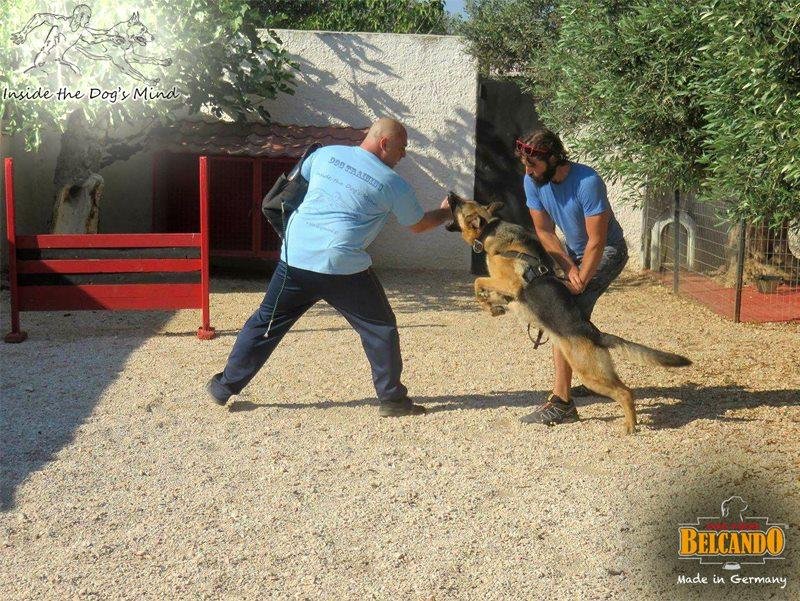
A professionally trained guard dog does not approach the door. By contrast, when a dog lives outside, observing its behaviour may provide enough information to plan an entry. I hope the point is clear; for obvious reasons, I cannot go into operational detail.
How old is your dog?
Guard dog training can begin only after a dog has reached maturity. A puppy’s only “duty” is to discover the world, become properly socialised and enjoy the innocence of puppyhood.
Sometimes the dog’s presence is enough
Although it may sound “unprofessional” for me to say so, the mere presence of a dog beside you — even one that has not been trained for protection, provided we are talking about certain breeds — can reduce the likelihood of a personal attack. Exceptions naturally exist, for example when an assailant is under the influence of substances or believes that the potential reward outweighs the risk.
I understand that much of this may discourage you from proceeding with a guard dog programme. I am nevertheless obliged to explain it, both so that you can choose not to work with me if you disagree and so that you appreciate the seriousness with which this subject must be approached.
If your interest is sporting rather than practical protection, several dog sports simulate aspects of protection work and can provide an engaging activity for both you and your dog. You can readily find colleagues who specialise in this field.
Keep clearly in mind, however, that the impressive things your dog learns belong to a training field. The framework of these sports often does not transfer to real confrontations — although, as we have said, you may not need it to.
With strength and respect
Dog Trainer
Christos Koutsis
Let’s get to know your dog
Every programme begins with the individual dog, their person and the reality of their everyday life.
Contact