

Dog’s Mind — Dog Behavior
Dog Behavior Correction: Understanding the Causes
There is no such thing as a “problem dog.” There are behaviors that conflict with the living conditions we impose on dogs, and causes that must be understood before any correction is attempted.
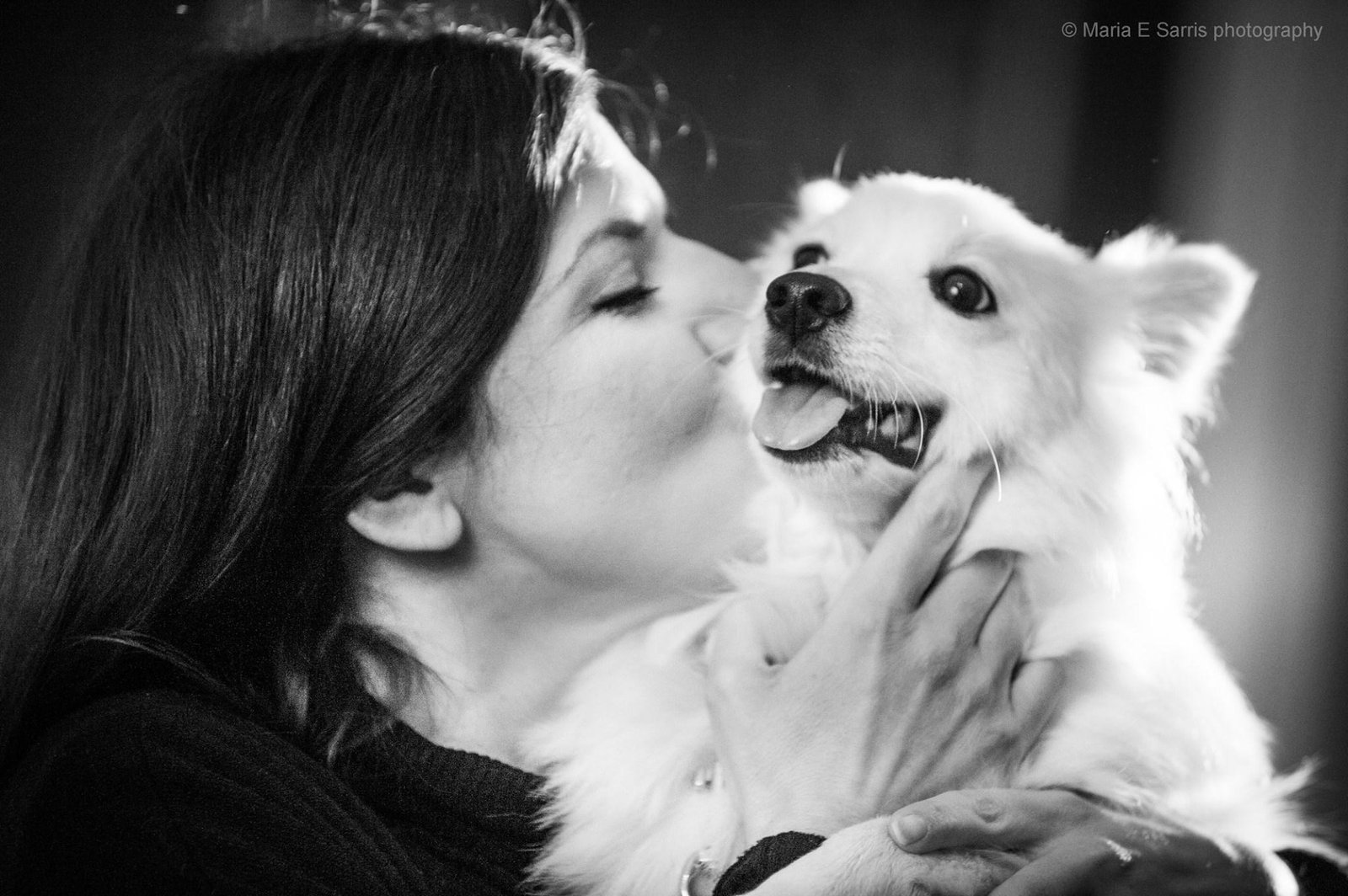
What are dog behavior problems? First, we need to define what a behavior problem actually is. This may sound like a minor detail, but it is extremely important to understand that there is no inherently problematic behavior in a dog. There are simply behaviors that create problems, especially within a human world governed by rules.
How could a behavior intended to protect survival—such as aggression—be problematic in itself? The same applies to marking territory, soiling inside the home, or protesting against hours of imposed loneliness in a social animal through excessive barking.
These examples show that many things we define as dog behavior problems are, in fact, parts of a dog’s nature that do not fit our human way of life. A free living creature naturally has the ability to attack when it believes it is threatened. Where a dog relieves itself is not determined by an innate human-style code—apart from the instincts connected with territorial marking—and it is therefore natural for a dog to mark the boundaries of its space. And how could a social animal that constantly seeks interaction accept loneliness without protest?
This observation is not intended to create a moral dilemma. It is important, however, to look directly at the truth. If we do not, our understanding of the dog’s true nature will gradually become distorted—and so will the way we address behavior problems.
To be honest with ourselves, we must accept as natural every behavior that originates in a dog’s instincts.
There are, of course, behaviors that go beyond what we might call “normal,” including unprovoked aggression toward the dog’s own guardian, self-injury, and fearful behaviors that approach pathology. Even in these cases, however, the underlying instinct may be warning us that the animal has moved dangerously far from its natural state. I will explain what I mean.
Action and reaction
It is an absolute rule that every action produces a reaction. When the action works against a dog’s natural purpose, a reaction will follow.
Like us, dogs have been equipped by nature with abilities and behavioral patterns that support survival. Their perception of danger, their ability to fight, to find food, and to defend resources are among them. But what happens when acquired knowledge conflicts with knowledge transmitted genetically? What happens when the abilities nature gave the dog are considered unnecessary within the human way of life?
What happens when a highly active dog, naturally capable of tremendous speed, is made to live an entirely sedentary life?
When a dog with a strong sexual drive cannot mate freely when the instinct arises?
When its only contact with the wider world is the view from a balcony?
When it hears possible dangers while left alone in the home but can never investigate them—when its body prepares for fight or flight, yet neither response can be completed?
When it cannot say “no” to being touched, cannot run and play, and cannot live in the way it feels compelled to live?
When it faces the human demand that it must be friendly toward everyone, even though it does not feel the same way about every person?
What happens when we cancel such a large part of the dog’s capacity for action?
A behavior problem is then born.
Forget, for a moment, the specialist knowledge of the “authority” known as the dog trainer, and consider this: what would happen if you were confined to a home, given everything without needing to work for it, and denied any opportunity to create or pursue a purpose?
What if you were forbidden from having sex?
What if you had to speak to everyone as though you adored them, even when you disliked some of them?
What if someone insulted you every day but happened to be your employer—what would happen to a human being?
What would happen even to a person who possesses the rational ability to explain why they are living against their nature? Neurosis? Aggression? Anxiety? Fearful behavior?
I hope that some of the causes behind dog behavior problems are now becoming clear. There are, of course, others.
The first has already been described:
1. Suppression of genetic predisposition
2. Individual temperament
Dogs, like humans, may be born with extreme personality traits. Regardless of their experiences, some are born with a highly sensitive nervous system that can contribute to aggressive or fearful behavior. Others may have an unusually intense level of activity and struggle to regulate their inner tension within the restrictions of human life, sometimes even reaching the point of self-injury.
3. Incorrect dog training—usually involving violent techniques or, at the opposite extreme, a complete absence of boundaries
There are many examples of violent methods producing aggressive or fearful behavior. One of the most common is coprophagia that develops after the old technique of rubbing a dog’s nose in its feces to stop it from soiling the home. Many people who used this method did not see their dog soil the house again—not because the dog understood the intended lesson, but because fear of punishment, or a misunderstanding of the instruction, taught the dog to “remove the evidence” before the guardian returned.
This is one of the milder problems that violence can create. Many people who have been attacked by their own dog have previously used “training” techniques based on the belief that a dog must fear its guardian. At the other extreme, a complete absence of consequences—and I do not mean punishment through violence—can allow behaviors to escalate. They may begin with minor damage or playful biting and, particularly in a dog already inclined to control resources or situations, develop into serious confrontations with the guardian.
4. Health problems
When the body suffers, behavior is affected as well. Conditions connected with brain function, the nervous system, and the digestive system—which modern medicine often describes as a second brain—can clearly trigger extreme behavior. Even apparently unrelated conditions, such as skin disease, may create persistent discomfort and nervousness that develops into behavior beyond normal limits.
5. A life without meaning
This is directly connected with the suppression of genetic predisposition. A life without interest, appropriate socialization, varied experiences, or the pleasure that comes through interaction with the environment can become the starting point for problematic behavior. Humans and dogs naturally seek both safety and wellbeing. Even when safety is secured, a dog’s emotional balance may remain fragile. It is also important to understand that excitement and pleasure need healthy limits; otherwise, a different set of problems can emerge.
6. Inadequate nutrition, highly processed food containing chemicals and preservatives, or an otherwise unsuitable diet
An inadequate diet may deprive the body of essential nutrients needed for its organs to function properly. The nervous system is among the first to be affected when nutrition lacks elements such as the B-vitamin complex or the correct balance between omega-3 and omega-6 fatty acids. Low-quality foods containing flavor enhancers and other additives may also contribute to extreme behavior through impaired nervous-system function.
An unsuitable diet—even one free of artificial toxins—can also contribute to unwanted behavior. Consider a dog eating a diet high in protein and carbohydrates while living an entirely sedentary life: the visible result may be damaged furniture, but the underlying problem is an unmet physiological need. Aggression around food, where the dog prevents anyone from approaching while it eats, may also have its roots in a nutritional deficiency. Finally, high on the list are:
7. Negative experiences
A highly stressful event leaves its mark on a dog’s behavior. Factors from several of the previous categories are usually involved as well. We will examine all of this more closely in the next part, “The Solution to the Problem.”
End of Part One
Christos Koutsis
Dog Trainer
See also: Frequently Asked Questions · Contact Dog’s Mind
Let’s Get to Know Your Dog
Meaningful behavior correction begins by identifying the cause—not by suppressing the symptom.
Contact